

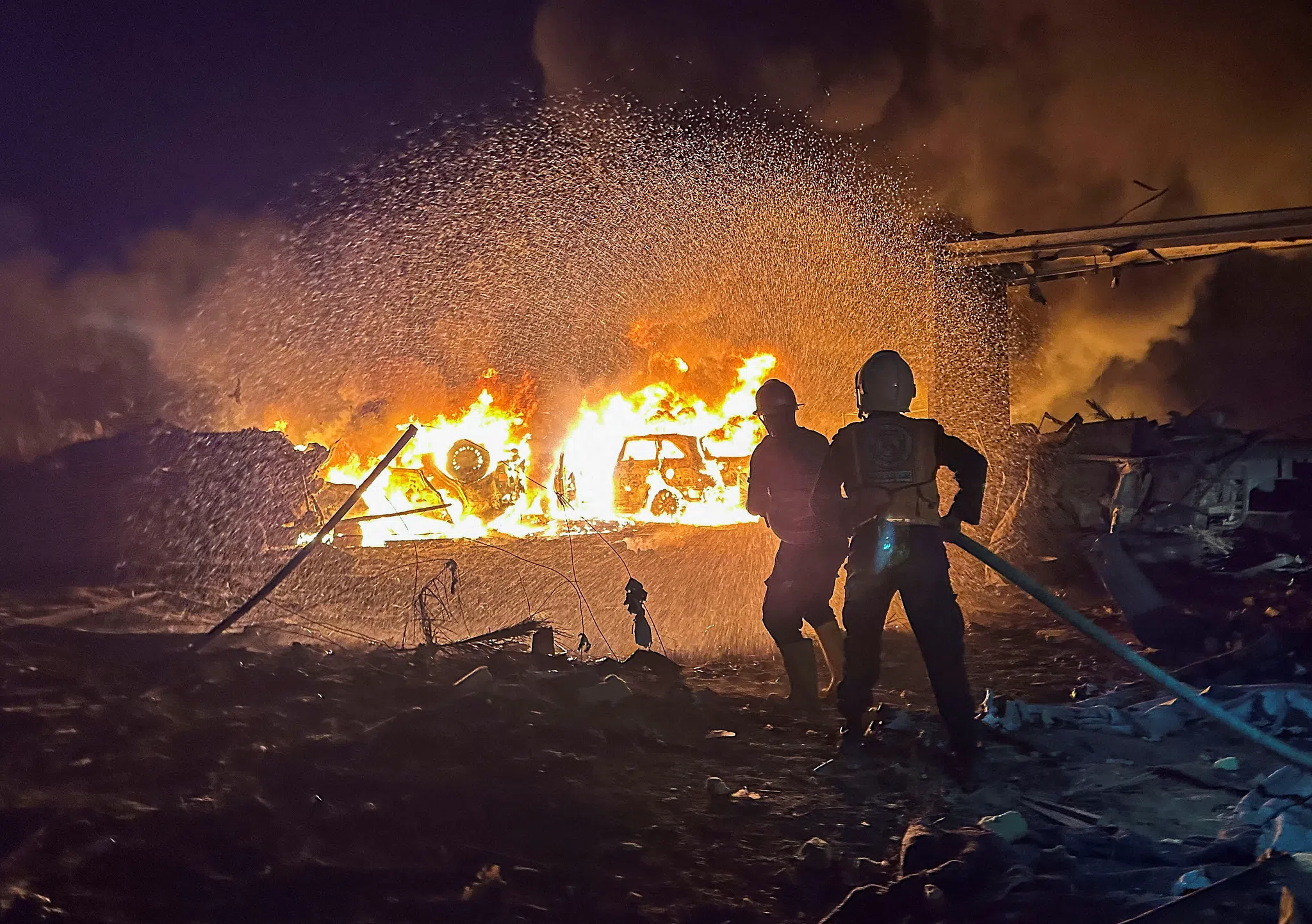
An Unsettling Shift in Meaning: Understanding the Modern Ceasefire
In a world increasingly marked by violence and strife, we are witnessing a troubling evolution in the concept of a ceasefire. Traditionally viewed as a bridge between war and peace—a period during which hostilities pause with the hope of commencing peace talks—the term is rapidly losing its clarity and meaning.
Recent developments compel us to reassess what “ceasefire” signifies in practice, especially when we look at the situation in Gaza.
Gaza: A Ceasefire Reimagined
Gaza stands as a stark representation of how the term “ceasefire” has changed. Between the truce that was reached in October 2025 and June 11, 2026, the toll on human life remains dire: 980 Palestinians lost their lives during this so-called ceasefire. While this figure marks a significant drop from the grim statistics of over 70,000 deaths during two years of active conflict, it is crucial to acknowledge the full scope of this crisis. Studies published in respected journals suggest that actual casualties may be underreported by 35 to 40 percent, indicating that the true death toll could approach 100,000 over two years.
Though the decline in violence—from tens of thousands killed annually during active warfare to just over a thousand in its aftermath—might seem encouraging, it still fails to align with our expectations for a ceasefire. Data from the Uppsala Conflict Data Program reveals that fatalities of this magnitude should classify the situation in Gaza not as peace but as continuing conflict.
The Paradox of the Ceasefire
Strikingly, despite ongoing violence, neither side has declared the ceasefire to be over. Why? The answers are not straightforward, yet two key explanations emerge:
-
Political Consequences: Declaring the end of a ceasefire carries severe moral and political implications; one side risks being branded as the aggressor that reignited conflict. Thus, even amidst clear violations of the truce, neither party wants to assume the blame for ending what little calm there is.
-
Survival Strategy: For the weaker party—especially Hamas—the current state of affairs, however dire, serves as a precarious lifeline. The costs of declaring the ceasefire over would likely lead to even greater suffering and conflict, making the status quo seem more bearable.
These dynamics place the civilian population in an untenable position, forced to navigate a landscape marred by a humanitarian crisis and the constant threat of violence.
The Shrinking Landscape
The territory inhabited by Palestinians is declining daily as Israel encroaches on the so-called “yellow line,” limiting areas where Palestinians can live. The potential for escalation looms large, with Hamas possibly facing dire consequences should it choose to declare the ceasefire void. Such a move would likely provoke a severe retaliation, plunging the region back into open conflict.
A Broader Trend?
At the Peace Research Institute Oslo (Prio), we have carefully documented ceasefires over the years and noticed a significant shift in their purpose. While many ceasefires used to align closely with peace processes aimed at conflict resolution, an increasing number now seem tied to humanitarian access, political elections, or even cultural observances like Christmas and Eid. This expansion of ceasefire motivations indicates a transformation in their role, suggesting they are no longer solely mechanisms for ending conflict.
The dilution of the ceasefire concept is observable in other contexts, such as Lebanon, where a truce between Israel and the Lebanese state coexisted with ongoing hostilities against Hezbollah. Here, Israel reserved the right to continue its military actions while still employing the term “ceasefire,” a troubling development that sets a dangerous precedent.
In light of these complexities, it is imperative for the international community to introduce robust mechanisms that not only monitor ceasefires but also impose concrete measures against those who violate them. The world cannot afford to let the concept of ceasefire devolve into a mere label, allowing violence to persist under the guise of temporary peace.
