

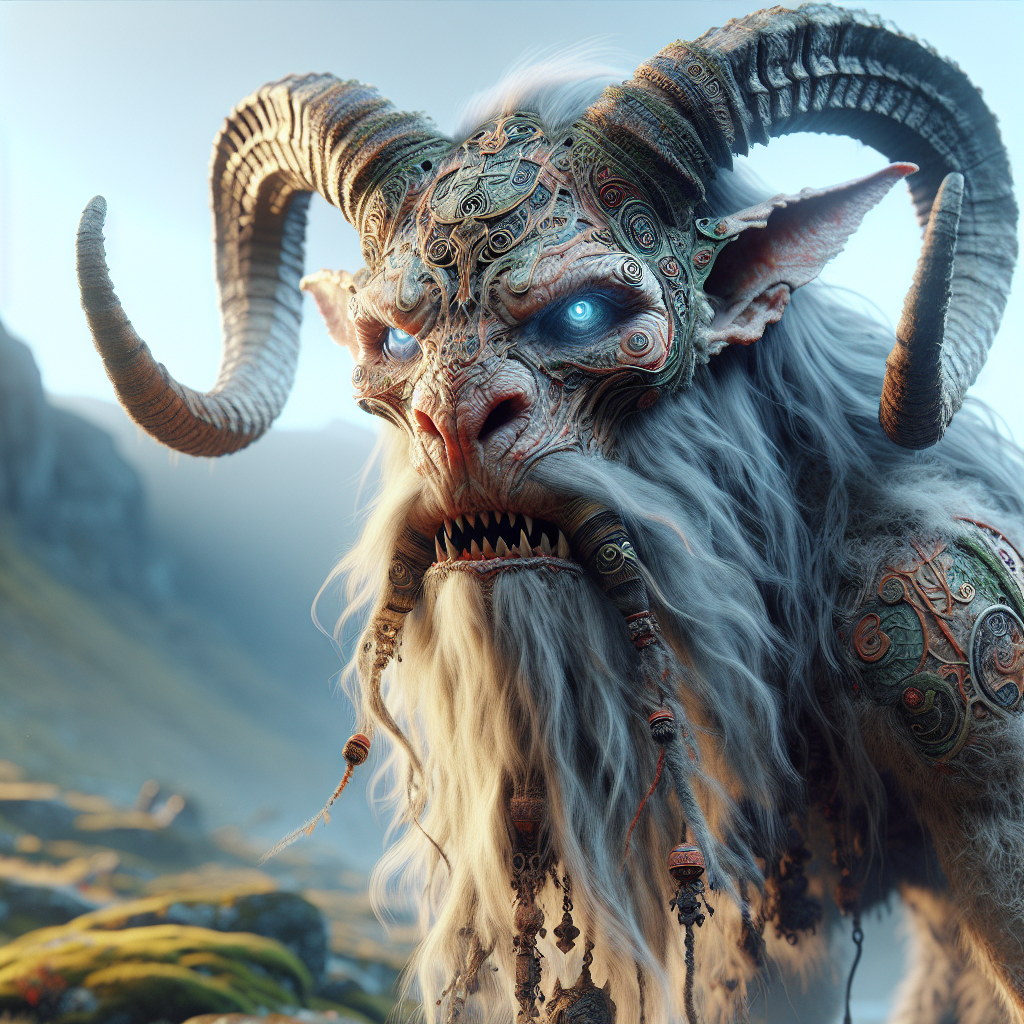
Nordic folklore, steeped in the rich traditions of Norse mythology, unveils a captivating realm of gods, creatures, and enigmatic beings that have ensnared imaginations for centuries.
From cunning trolls to formidable deities and elusive forest spirits, these figures have carved out a lasting presence in Scandinavian culture. The tales surrounding them have been handed down through generations, serving not just as entertainment, but as reflections of nature, morality, and the human experience.
While some of these figures hail from the origins of Norse mythology, others emerged from later Scandinavian folklore, shaped by evolving beliefs and external influences. Together, they weave a vibrant and dynamic tapestry of Nordic legend.
In this guide, we will delve into 12 of the most intriguing figures from Norse mythology and Nordic folklore.
Norse Mythology vs. Local Folklore
As we journey deeper into Nordic folklore, it’s essential to distinguish between creatures rooted in ancient Norse mythology and those from local folklore, which show the marks of later influences.
Norse mythology is grounded in the pre-Christian beliefs of the Scandinavian people, forming the earliest layer of these captivating narratives. In contrast, local folklore reflects the influence of Christianity and other later stories.
This blend of pagan and Christian elements is evident in tales that have been passed down through oral traditions—a prime example being the stories of trolls and elves.
These distinctions reveal a fascinating interplay of ancient and evolving beliefs, shaping the rich tapestry of Scandinavian legends.
Gods and Goddesses
To truly appreciate the essence of Norse mythology, one must familiarize themselves with its key gods and goddesses. Here are a few notable figures worth knowing.
Loki
A cunning trickster of giant descent, Loki possesses the power of shapeshifting, often employing it to deceive both gods and humans.
His antics frequently lead to pivotal events in Norse myths, rendering him a complex and essential character.
Odin
As the All-Father and ruler of Asgard, Odin epitomizes wisdom and mastery of magic.
Often portrayed as an elderly man accompanied by ravens, Huginn and Muninn, who carry news from across the realms, he presides over Valhalla and embodies war, poetry, and sagacity.
Thor
Thor, the thunder god and protector of Asgard, wields the mighty hammer Mjölnir, which grants him the ability to summon storms and lightning.
His exploits, particularly in battle against giants, symbolize the forces of nature and protection.
Freya
Freyja, the goddess of love, fertility, and beauty, is often seen adorned with her cherished necklace, Brísingamen.
A significant player in the Vanir-Æsir War, she also welcomes fallen warriors into her hall, Folkvangr.
For deeper insights into these characters and more, consider exploring our Ultimate Guide to Norse Gods, Goddesses, and Giants.
Other Mythological Beings
Beyond the pantheon of gods and goddesses, the world of Norse mythology is teeming with fascinating creatures and beings. Here are a few that deserve your attention.
Fenrir
Fenrir, a colossal wolf born of Loki, grows increasingly formidable, often seen as a symbol of chaos and destruction. His role in Odin’s demise during Ragnarök marks him as a pivotal figure in Norse beliefs.
Jörmungandr
Jörmungandr, the Midgard Serpent and sibling to Fenrir, encircles our world, lurking beneath the oceans.
One of Thor’s fiercest adversaries, the serpent is foretold to clash with the god at Ragnarök, resulting in their mutual destruction—a connection that renders Jörmungandr a central figure in tales of fate and chaos.
Hel
Hel, the ruler of Helheim, presides over those who die from illness or old age.
Often portrayed as a neutral figure, she embodies the Norse perspective on the afterlife—a complex realm that transcends the simplistic notions of good and evil.
Huldra
The Huldra, a beguiling forest spirit in Scandinavian lore, captivates mortals with her beauty, embodying both allure and danger.
Commonly depicted as a woman with a cow’s tail, she can also appear entirely human.
Näcken
Näcken, a melancholic male water spirit found in Swedish folklore, enchants and endangers hapless passersby with his haunting voice and fiddle.
Often residing in rivers and lakes, he serves as a cautionary emblem of the hidden dangers beneath serene waters.
Trolls
An ancient breed of beings that inhabit remote landscapes, trolls can be formidable creatures, with the ability to turn to stone.
These entities often play the role of cautionary figures or formidable adversaries in folklore.
Vätte/Vättir
Also known as Vätte, these diminutive nature spirits in Swedish folklore maintain harmony between humans and the natural world.
However, beware; they can play tricks when they feel disregarded.
Elves
Elves, or álfar in Norse mythology, are enigmatic beings associated with nature, fertility, and the unseen realms.
Divorced from the charming, human-like interpretations in modern fantasy, these elves embody ambiguity, often straddling the line between benevolence and peril, linked to magic, illness, or hidden domains.
The Impact of Mythological Creatures in Modern Culture
The enchanting figures of Nordic folklore continue to captivate audiences today across various forms of entertainment.
In gaming, titles like “God of War” and “Assassin’s Creed Valhalla” offer immersive experiences that allow players to engage with the legendary beings such as Fenrir and Jörmungandr.
Television series like “Vikings” and “The Last Kingdom” skillfully weave these mysterious creatures into their narratives, creating a mesmerizing blend of history and mythology.
And, of course, in blockbuster films like “Thor” and “The Avengers,” the Norse gods are brought to life with spectacular flair.
The continuous presence of these mythological beings in modern culture highlights the enduring magic of Nordic folklore’s legacy.
Influence on Language and Literature
The rich tapestry of creatures from Nordic folklore has left an indelible mark on Scandinavian language and literature.
Classic works, such as John Bauer’s Mix Tomtar and Troll (Among Gnomes and Trolls), demonstrate how these mythological narratives have been intricately woven into captivating tales.
This influence extends beyond Scandinavia, echoing in the writings of J.R.R. Tolkien, who drew extensively from Norse mythology in creating legends such as “The Lord of the Rings.”
Elements like shieldmaidens and dwarves pay homage to the rich tradition of Norse storytelling. While this article emphasizes folkloric creatures, other central motifs like gods, runes, and magic also play crucial roles in the intricate world of Norse mythology.
Yggdrasil, the World Tree
Yggdrasil, the magnificent cosmic world tree, serves as a linchpin in Norse cosmology, connecting the realms of gods, humans, and mythical beings.
Its expansive branches stretch across the universe, while its roots are vigilantly guarded by the dragon Níðhöggr, who incessantly gnaws at its base. At its summit, an eagle observes the realms beneath.
In modern Norse paganism, Yggdrasil remains an emblem of interconnectedness, embodying the intricate web of existence and the enduring legacy of Norse mythology.
Its imagery frequently appears in tattoos, symbolizing its profound significance and timeless allure even today.
Runes and Magic
Runes, the ancient writing system utilized by Germanic peoples—including the Norse—were sometimes linked to magic and rituals. Yet, their primary function was for inscriptions, communication, and object marking.
Unraveling runic inscriptions offers invaluable insights into Norse culture, beliefs, and everyday life—evident in memorial stones and simple carvings.
Viking Symbols and Their Meanings
The symbols of the Vikings stand as testament to the intricate tapestry of Norse mythology, transforming ancient beliefs and stories into tangible representations.
Valknut
The Valknut, a striking symbol of three interlocking triangles, is frequently associated with Odin and themes of death as well as the afterlife.
It has appeared in archaeological contexts, especially burial sites, although its precise meaning remains a topic of scholarly debate.
Vegvísir
Often referred to as a Viking compass, the Vegvísir actually appears in later Icelandic magical texts and isn’t a symbol from the Viking Age.
Today, it’s commonly associated with Norse culture and interpreted as a symbol of guidance and protection.
For more on this important symbol, see “What is the Vegvisir symbol and what does it mean?”
Mjölnir
Perhaps the most iconic of all symbols is Mjölnir, Thor’s mighty hammer, embodying strength, protection, and thunderous power.
Worn as a pendant or depicted in artwork, Mjölnir channels Thor’s indomitable spirit, safeguarding its bearer from harm and repelling malevolent forces.
These symbols of Norse mythology not only serve as evocative reminders of the courage and beliefs of the Viking era but also resonate in contemporary culture, evoking the enduring allure of gods, mythical creatures, and the indomitable spirit of the Vikings.
See also:
Finnish mythology and the Kalevala
Jotunn: a giant in Norse mythology
Heimdall: Norse mythology’s watchman
