

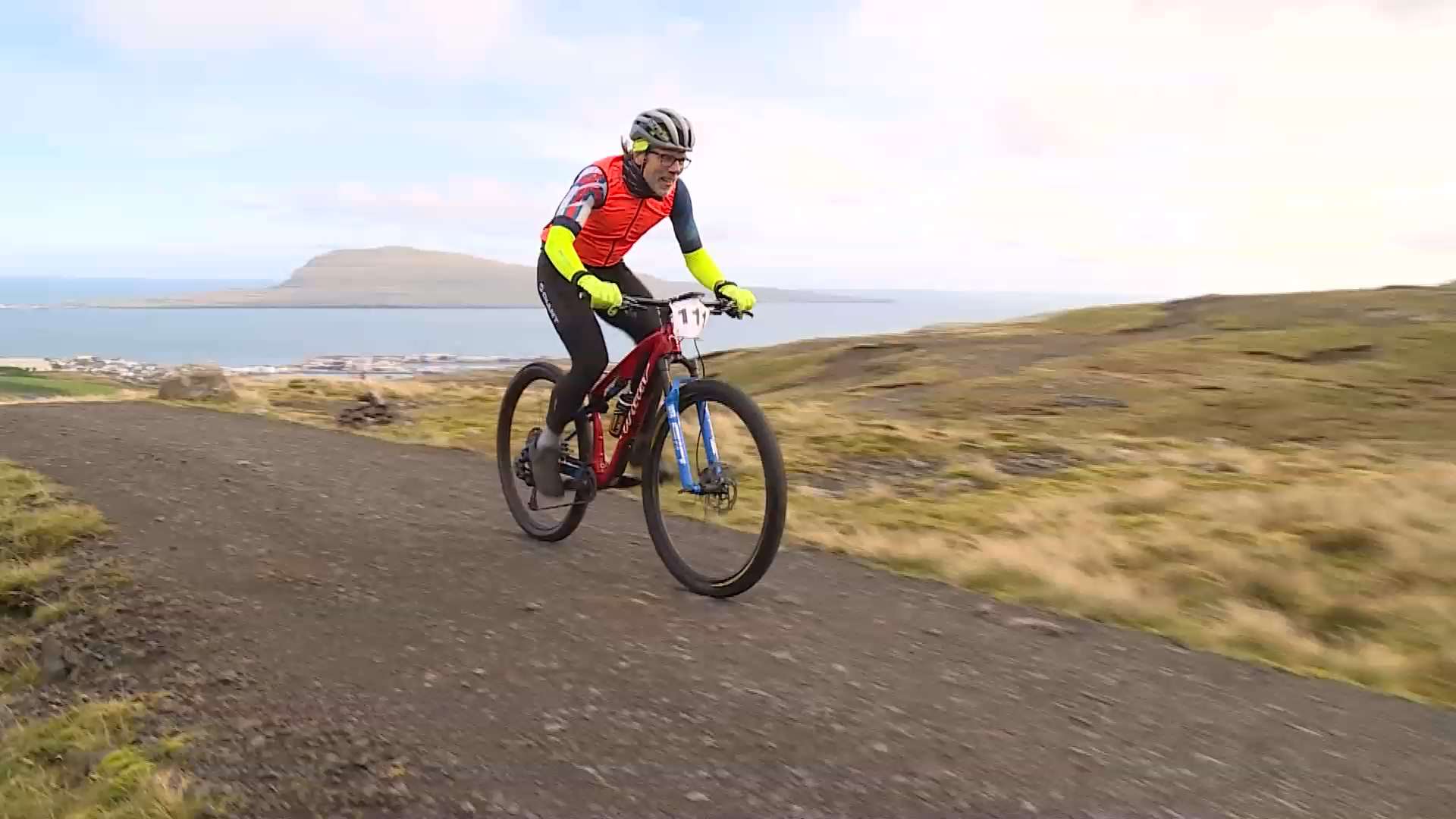
Mounting Controversy: Hafnarfjörður’s Proposed Mountain Bike Path
In a recent turn of events, the ambitious plan for a mountain biking path at Vesturvarði in Hafnarfjörður is facing significant roadblocks. Despite the endorsement and funding from three consecutive city councils, it’s become apparent that public support for the initiative has waned.
Addressing the Concerns
In a letter to the community, Mayor Elsa Berg reflects on the contentious discussions surrounding the proposed mountain bike track, often referred to as the “donkey street” project. At an upcoming meeting of the Cultural Affairs Committee, she intends to recommend that the Municipality of Torshavn collaborates with mountain biking enthusiasts and the Special Association for Cycling and Triathlon to reassess the project.
Competing Interests
Notably, equestrian advocates have also voiced their concerns, advocating for an alternate location for the bike path—adding another layer of complexity to an already intricate situation.
A Missed Opportunity?
Mayor Berg further underscores the potential ramifications of this standoff, particularly regarding the Island Games set to be hosted in the Faroe Islands next year. She conveys her disappointment, stating, “It is possible that a temporary solution will be sought to meet the conditions of the Island Games.” Acknowledging the broader implications, she adds, “This is a regrettable situation for both mountain biking enthusiasts in the Faroe Islands and the overall success of the Island Games. It’s a moment for introspection within our City Council.”
A Promised Path?
In her communication, Mayor Berg reminds residents that since its initial approval in 2016, a substantial majority of city council members—from both the coalition and opposition—have consistently rallied behind this location. Despite the recent shifts in sentiment, she insists that no new information justifying the reversal of support has surfaced since the project’s approval in February. “This is simply not the case,” she asserts, emphasizing that community consultations had included input from local riding clubs when the site was greenlit.
Finally, the mayor clarifies a crucial point: while Rossagøta, the name associated with the street near Hotel Føroyar, carries historic weight, it is municipal land, constructed and maintained for the benefit of all residents. The path forward remains uncertain, but the dialogue continues as Hafnarfjörður navigates these tangled interests.
