

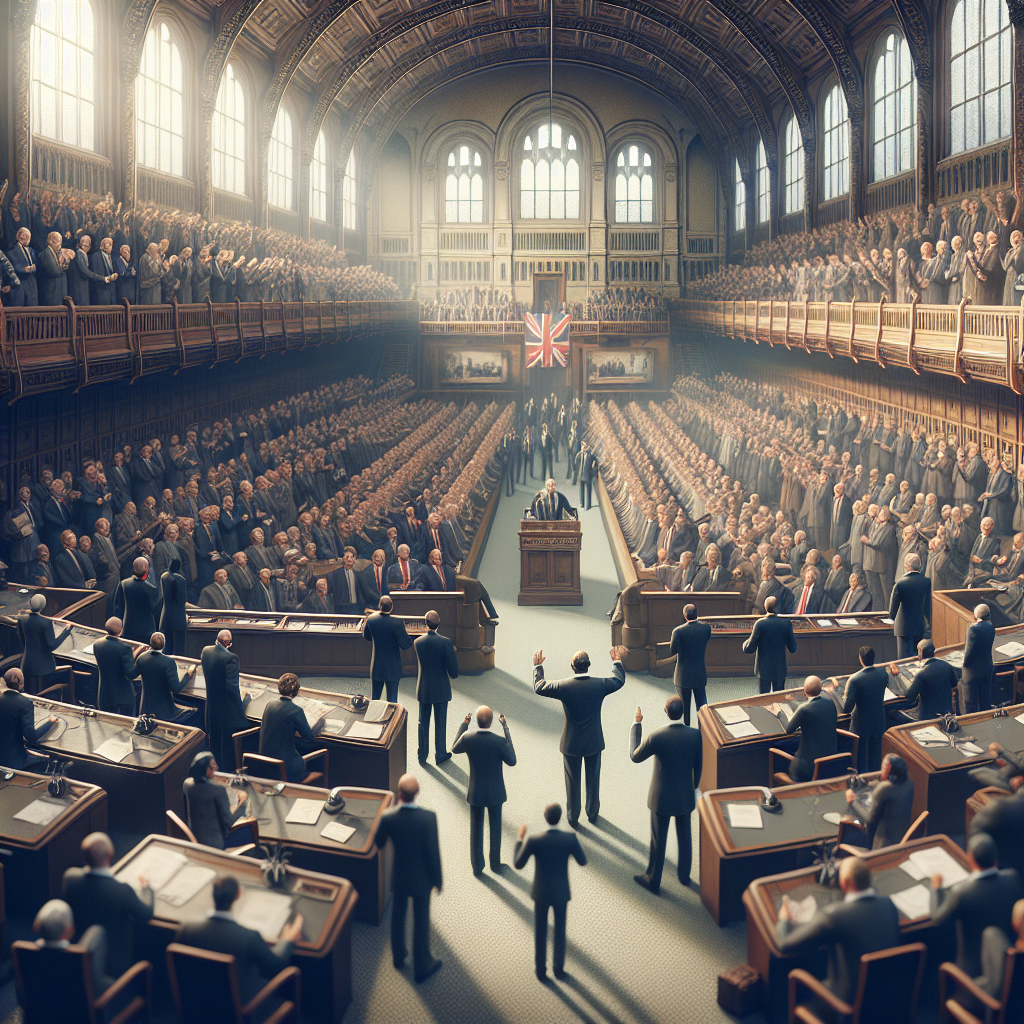
Morten Messerschmidt: Breaking New Ground in Parliament
Morten Messerschmidt stands on the brink of a bold move that could reshape the dynamics of the Danish Parliament. The leader of the Danish People’s Party aims to appoint himself to the Presidium of the Folketing, a significant step that has never been taken by a party chairman before.
Typically, the Presidium is composed of seasoned politicians from the largest parties—individuals who have spent years honing their expertise. Yet Messerschmidt believes that the Folketing’s leadership needs a stronger, more assertive presence, particularly in holding the government accountable.
“The Bureau has devolved into little more than a discussion group intent on shielding the government,” he asserts. “We cannot allow that to happen again in this Parliament.”
His reasoning is straightforward: as chairman of the Danish People’s Party, Messerschmidt feels it’s crucial for him to take a more active role in overseeing government actions. “If I’m to effectively control the government, it seems only natural for me to step in,” he states confidently.
The Presidium consists of the Speaker of the Folketing—elected by parliamentary members—and four Deputy Speakers appointed by the four largest parties, including that of the Speaker. This governing body is responsible for leading sessions in the Parliamentary Hall and ensuring that the legislative process runs smoothly.
What is the Presidium of the Danish Parliament?
The Presidium serves as the upper management of the Folketing, encompassing the Speaker and four Deputy Speakers. Its name, derived from the Latin term “praesidium,” means those who sit in front. Following each parliamentary election and at the start of every parliamentary year, the Presidium is elected to organize and oversee parliamentary activities while adhering to the established rules of procedure.
Messerschmidt cautions that, in recent years, the balance of power has shifted increasingly towards the government. He is critical of the current Bureau, describing its roles as “resignation posts” occupied by experienced politicians during their final year of service.
“Take a look around Europe,” he argues. “In many countries, it is common for party chairmen to oversee critical moments of governance.”
A Need for Accountability
He cites recent controversies, such as the mink scandal and financial inducements offered to members of the Folketing by the Moderates, as instances where the Presidium should have stepped in more decisively.
“It’s essential for the Folketing to hold the government accountable and crack down when ministers overstep their bounds,” he declares. “To ensure that future governments adhere closely to the law, appointing a party chairman to the Presidium is a strong and necessary move.”
In Messerschmidt’s view, his proposed shift in leadership may very well be the catalyst needed to foster a more vigilant and engaged Parliament.
