

Discover the Allure of Kungsleden: Sweden’s Majestic Hiking Trail
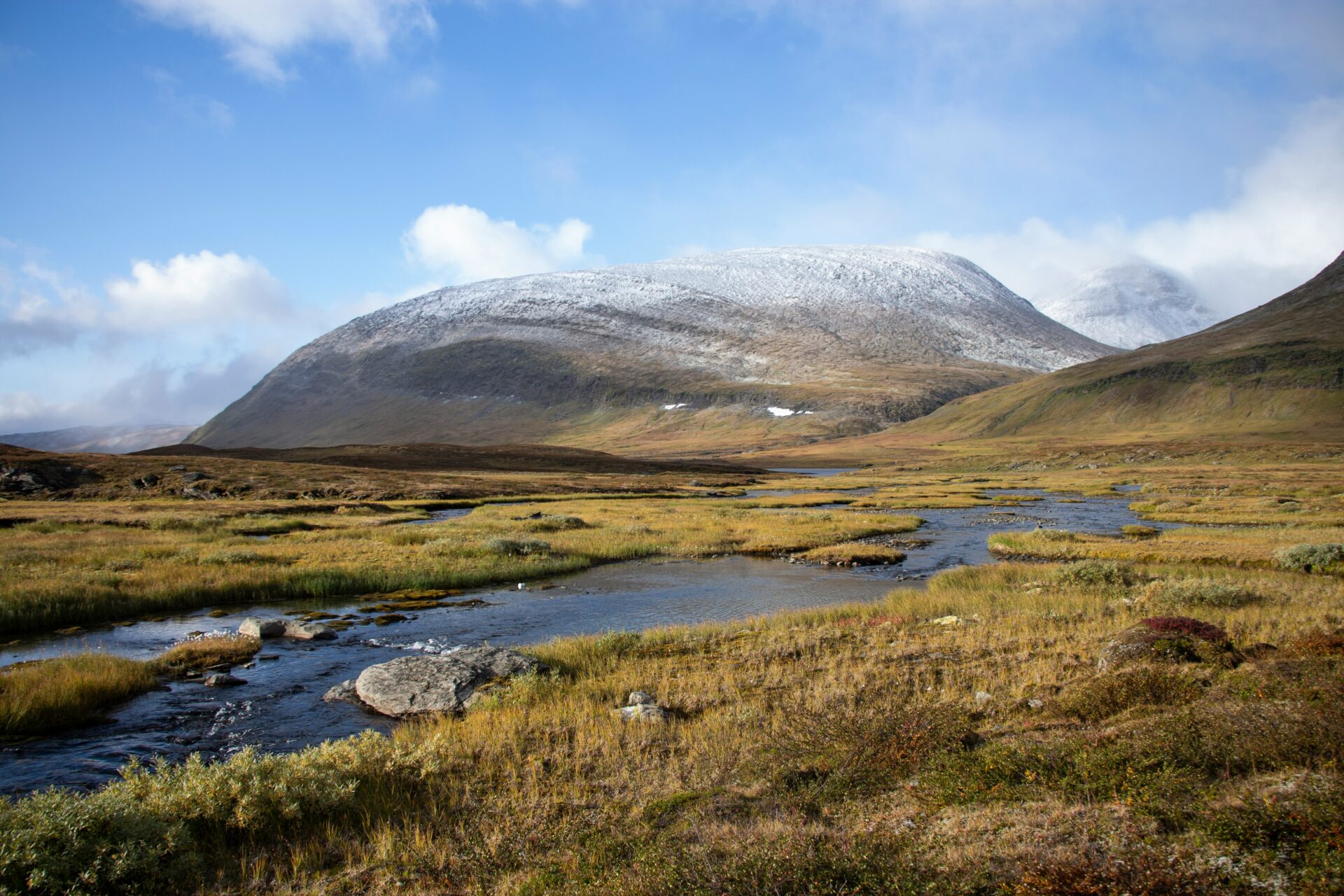
Snow-capped peaks, rushing rivers, serene forests, Arctic vistas, windswept moors, and grazing reindeer—these are just a few reasons to lace up your hiking boots and embark on Kungsleden, or the King’s Trail, this summer. Here’s your comprehensive guide to navigating Sweden’s longest hiking trail.
What Is Kungsleden, and Where Can You Find It?
Kungsleden stretches a remarkable 430 kilometers from Abisko in Sweden’s far north to Hemavan, located roughly 325 kilometers southeast. This long-distance trail traverses three national parks, showcasing a stunning array of landscapes, from lush beech and pine forests to expansive Arctic wilderness, breathtaking glaciers, and jagged mountain passes.
How Long Is the Kungsleden Trail?
While it winds and bends, the Kungsleden trail boasts an impressive length of around 430 kilometers. If you’re keen on making a detour to Kebnekaise, Sweden’s highest mountain, you’re looking at almost 500 kilometers. It’s a journey that certainly cannot be completed in a single day.
How Long Should You Set Aside for the Kungsleden?
For those with ambitions to walk the entire trail, a month is advisable. However, the route can easily be divided into five more manageable stages, perfect for shorter adventures with breathtaking scenery. The most popular segment is the first stage, stretching from Abisko to Kebnekaise.
The Five Stages of Kungsleden
- Abisko to Kebnekaise (105 km; six days)
- Kebnekaise to Saltoluokta (51 km; three days)
- Saltoluokta to Kvikkjokk (73 km; four days)
- Kvikkjokk to Ammarnäs (166 km; eight days)
- Ammarnäs to Hemavan (78 km; four days)
Navigating the Kungsleden: A Map to Guide Your Journey
Fetching directions…
How Challenging Is the Kungsleden Trail?
Despite cutting through some of Sweden’s most dramatic landscapes, Kungsleden largely follows well-established paths. You’ll encounter boardwalks and wooden bridges over bogs and mountain streams, although some may not always be in top condition. While there are steep sections that require a bit of scrambling—particularly in the northern parts—the majority of the trail meanders through gentle valleys, open moorlands, and alongside babbling streams and rivers.
Accommodations in Abisko
If you’re beginning or concluding your trek in Abisko, treating yourself to a hot shower, a cozy bed, and hearty meals might be in order. Abisko is a prime spot for accommodations suited to hikers, with options ranging from hotels to hostels.
The Abisko Turiststation is the most convenient for trail access and features comfortable rooms and a restaurant with stunning panoramic views. Alternatively, consider Abisko Guesthouse or Abisko Mountain Lodge, both easily accessible from the Abisko Östra train station.
Tackling the Terrain: Who Can Hike Kungsleden?
Other than the Tjäktja Pass, which stands as the highest point at 1105 meters, the trail is manageable for anyone in good health with a reasonable fitness level.
Which Direction Should You Choose?
Most hikers tend to start from north to south, where the northern landscape offers some of the most breathtaking views. However, hiking south to north allows you to avoid the crowds and leaves the best scenery for last!
Accessing the Kungsleden Trail
Multiple entry points are accessible by road, each typically featuring accommodations, parking, and supply options. Starting from the north, key access points include Abisko, Nikkaluokta, Vakkotavare, Saltoluotka, Kvikkjokk, Jäkkvik, Ammarnäs, and Hemavan. Keep in mind that Nikkaluokta doesn’t sit directly on the trail, but serves as the nearest access point with a side trail leading to Kebnekaise.
Accommodation Options: Camping vs. Mountain Huts
A series of simple mountain cabins dot the Kungsleden trail, approximately every 12 to 20 kilometers. Operated by the Swedish Tourist Association (STF), these huts offer dorm-style bunk beds, basic supplies, and self-catering kitchens for your culinary needs.
No running water or electricity is available, but you can fetch water from nearby streams. Many huts even feature wood-fired saunas, which can be a delightful treat after a long day on the trail.
In addition to these cabins, five larger mountain stations, complete with more amenities and dining options, are located at the main access points. Tents can be pitched outside most mountain huts for a nominal fee, or you can find your own spot along the trail for a wild camping experience.
What to Expect in Terms of Costs
You can keep your expenses low by choosing to camp and carrying your gear, but lodging in mountain huts can vary significantly in price and tends to be on the higher side. Reservations are advisable during peak summer months due to high demand.
As you traverse the trail, keep in mind the various lakes and rivers you’ll encounter—some are crossed by free rowing boats, whereas others require a paid crewed service. Don’t forget to account for bus fares, especially the 19 kilometers between Vakkotavare and Kebnats.
When Is the Best Time to Hike Kungsleden?
The ideal hiking season spans from late June to late September, coinciding with the availability of mountain huts and accessible transport to trailheads. Each segment of this period has its own perks and drawbacks.
From late June to mid-July, experience nearly 24 hours of daylight, allowing for late-night hikes, although finding sleep in a tent can be challenging with the relentless midnight sun. Bug activity is lower during this window, but expect possible snow on higher passes.
Mid-July to the end of August marks peak season, characterized by idyllic weather and melted snow, but also larger crowds and an increase in pesky mosquitoes. While these critters pose no health risks, their bites can be bothersome, so bring mosquito repellent and a good net.
As September rolls around, the weather becomes less predictable, nights grow colder, and the stunning autumn colors create a captivating atmosphere. While insect activity decreases, adventurers may also catch glimpses of the northern lights.
Ready to Embark on Your Kungsleden Adventure?
Whether you’re planning to conquer the entire trail or just enjoy a scenic segment, Kungsleden promises some of Sweden’s finest hiking experiences. From the dramatic vistas around Abisko and Kebnekaise to the quieter sections in the south, it’s a route that caters to both seasoned trekkers and first-time long-distance hikers.
If a multi-day trek feels overwhelming, Abisko serves as an excellent starting point for exploring Swedish Lapland. Consider joining a guided day trip from Kiruna, showcasing the breathtaking scenery without the burden of a heavy pack.
Have you hiked the Kungsleden, or is it on your adventure wishlist? We’d love to hear your thoughts in the comments below.
See More:
- Camping Wild in Sweden
- Our Experience Hiking the Kungsleden Trail
- Tours in Swedish Lapland
