

Preparing for Departures: The Danish Government’s Asylum Strategy
In Denmark, the countdown has begun for the imminent departures of rejected asylum seekers. Minister for Immigration and Integration, Morten Bødskov, announced that the establishment of an emigration center outside the European Union is within reach.
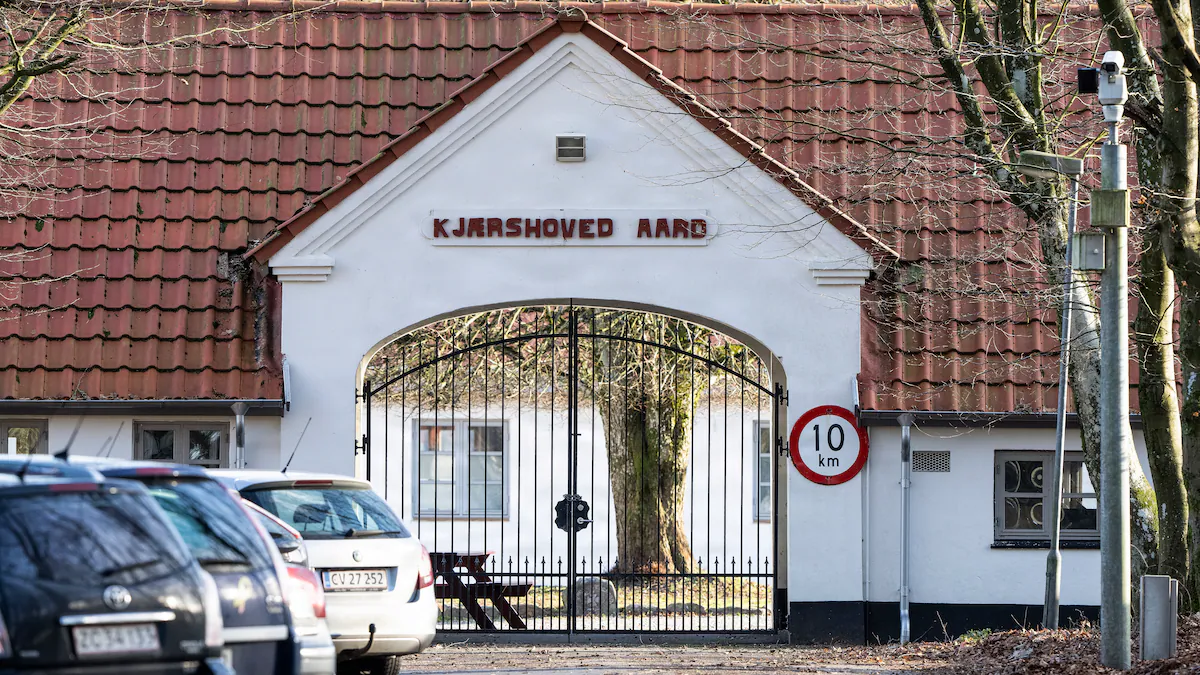
However, it is important to note that this new facility will not accommodate deported criminals, many of whom currently reside in the Departure Center Kærshovedgård. “Our primary focus is on those who have had their asylum applications denied,” stated Bødskov, underscoring the government’s immediate priorities.
Approximately 100 individuals will be affected by this initiative, according to Bødskov. Foreign Minister Lars Løkke Rasmussen emphasized that this is just the beginning. “When you have to eat an elephant, you do so in slices. That’s precisely our approach here,” he remarked, articulating a gradual strategy for handling the complex asylum landscape.
Today, Bødskov and Rasmussen welcomed representatives from Greece, Germany, the Netherlands, and Austria. These nations are collaborating to forge a coherent solution to the ongoing asylum crisis that has affected many European countries.
Local Concerns: Voices of Dissent
As discussions unfold, local concerns remain palpable. Dennis Flydtkjær, immigration spokesperson for the Danish Democrats, voiced his disappointment about the criminal deportees still residing in the area. “Many Danes living nearby face an insecure existence, and their greatest concern is these criminals,” he asserted, highlighting the community’s anxiety.
Flydtkjær argued that it should be the government’s first priority to expedite the removal of these deported individuals from Denmark. “It feels both embarrassing and frustrating to witness the Social Democrats, who have been promising since 2019 to create an exit center outside the EU and close Kærshovedgård,” he lamented. “This is nothing short of deceiving the public.”
The Danish People’s Party echoed these sentiments, criticizing the changing administrations for not fulfilling long-standing commitments. Immigration spokesman Mikkel Bjørn pointed out that the government had assured Danes for years that it was working towards establishing both a reception facility and a departure center for asylum seekers and deported criminals respectively. “Neither appears to be materializing, and I remain anxious to see the outcomes,” he stated.
Plans are currently underway among the five collaborating countries to have a new departure center operational outside the EU by next year, aiming to facilitate the departure of the first rejected asylum seekers by 2027. However, criminals will not be part of these flight plans.
While the specifics of the future exit center remain to be disclosed, Minister Bødskov has indicated that further details are expected to be revealed around New Year.
