

A Culinary Journey Through Germany: Rich Flavors and Hearty Traditions
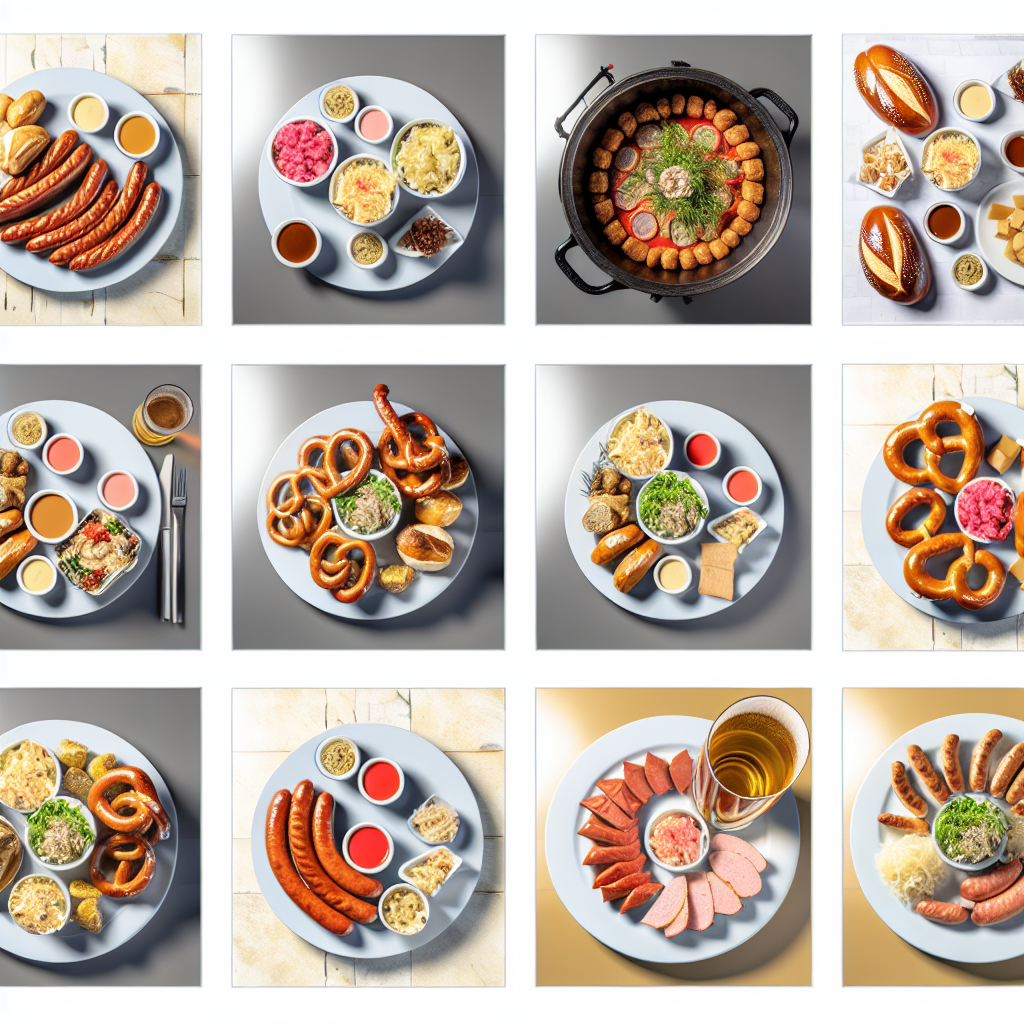
German cuisine is a tapestry of rich, hearty flavors, embodying the essence of comfort food crafted from high-quality, often locally sourced ingredients. Its diversity is a reflection not only of the nation’s agricultural traditions but also of the myriad immigrants who have made Germany their home over the centuries.
Beyond the familiar trio of beer, sauerkraut, and sausage lies a gastronomic world waiting to be explored. Today’s Germans take delight in both well-prepared, lovingly served meals and quick bites on the go, thriving in a landscape dotted with food markets, beer gardens, wine festivals, and high-end restaurants.
Are you feeling hungry? Read on for a compelling list of 20 traditional German dishes that should not be missed on your culinary travels.
Königsberger Klopse
Named after the former East Prussian capital of Königsberg—now Kaliningrad in Russia—this beloved dish features tender meatballs enveloped in a creamy white sauce enhanced with capers. Traditionally crafted with minced veal, onions, eggs, anchovies, and spices, the dish resonates with grandmothers and professional chefs alike, offering a surprisingly elegant finish thanks to its capers and zesty lemon juice.
In the German Democratic Republic, officials opted for the name kochklopse (boiled meatballs) to evade any association with the city, which had fallen under Soviet control. Fortunately, the original name has made a comeback, with Königsberger Klopse now gracing menus in many German restaurants, particularly in Berlin and Brandenburg.
Maultaschen
Hailing from Swabia in southwestern Germany, Maultaschen can be likened to oversized ravioli, typically palm-sized and filled with everything from savory meats to sweet treats and vegetarian delights. A classic combination includes minced meat, breadcrumbs, onions, and spinach, all seasoned to perfection. Usually prepared in broth for a tender yet creamy bite, these dumplings may also be sautéed for added richness.
While Maultaschen are available across the country (frozen versions can even be found in supermarkets), their heart lies in the south. In 2009, the European Union recognized them as a regional specialty, underscoring their importance to the cultural heritage of Baden-Württemberg.
Labskaus
Though not the most visually inviting dish, Labskaus encapsulates the seafaring traditions of northern Germany. This vibrant mixture of mashed salted beef, onions, potatoes, and pickled beetroot was created from preserved ingredients commonly found onboard ships in the 18th and 19th centuries. Served traditionally with pickled gherkins and rollmops, Labskaus continues to be a favored remedy for sailors, particularly in Bremen, Kiel, and Hamburg, and has even been embraced as a notorious hangover cure.
Sausages
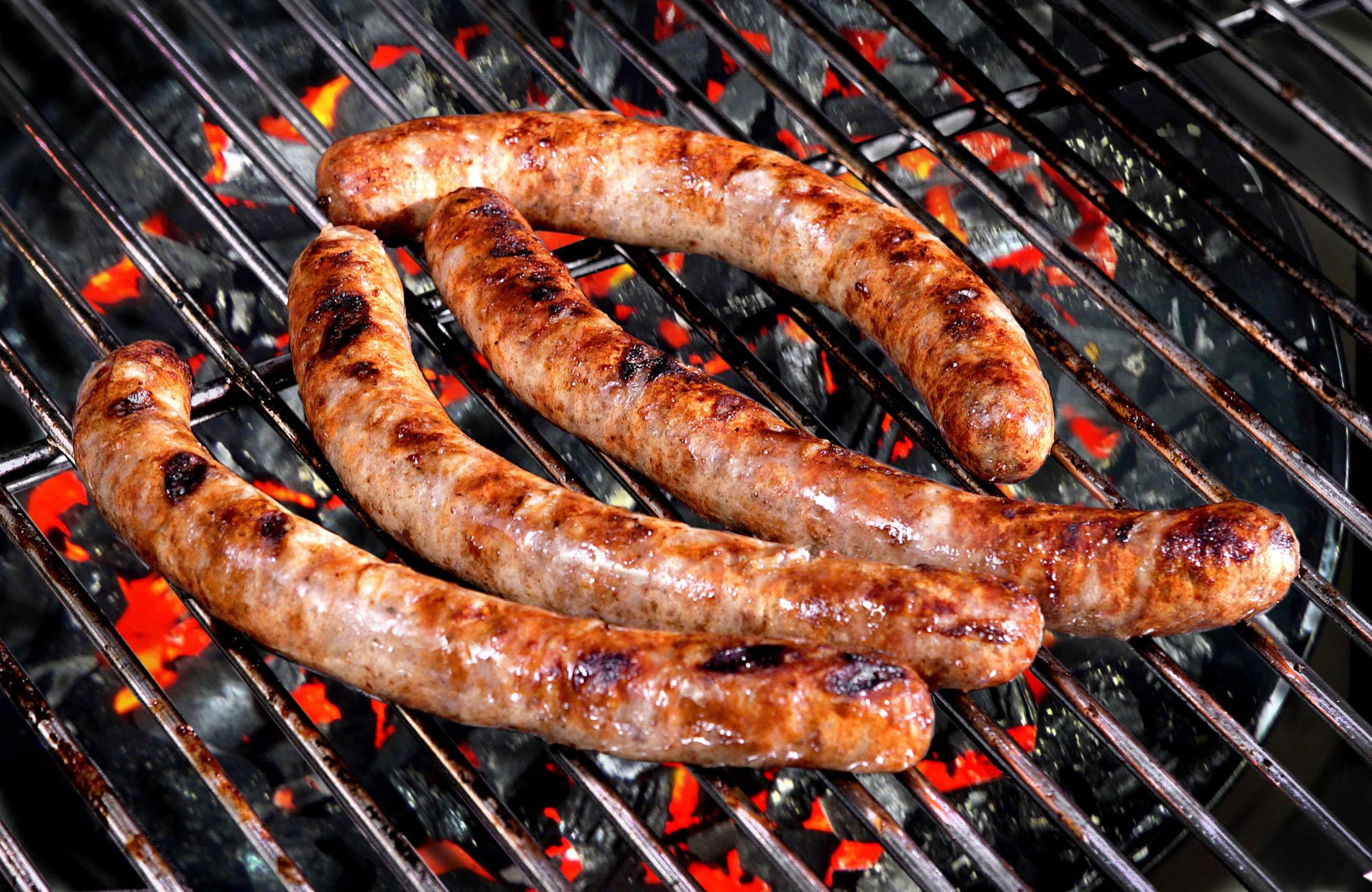
No discussion of German culinary culture is complete without mentioning sausages. With an astonishing variety of cured and smoked options available, the focus here is on some of the finest street food: bratwurst. There are over 40 regional varieties of these fried sausages, typically served in a white bread roll with mustard, or alongside potato salad or sauerkraut, perfectly complementing a crisp German beer.
Some standout bratwurst varieties include Fränkische bratwurst with its marjoram seasoning, Nürnberger rostbratwurst known for its small size and grilled goodness, and the spicy Thüringer rostbratwurst, which hails from the first-ever bratwurst museum in Thuringia.
Currywurst
Since its post-World War II inception, currywurst has become synonymous with German street food culture. Often credited to Herta Heuwer, who combined ketchup and curry powder in 1949, this dish now consists of boiled and fried sausages slathered in a tangy sauce, typically served with fries or a bread roll. With an annual consumption of around 800 million servings, it’s clear why currywurst holds a special place in the hearts of food lovers throughout Germany.
Döner Kebab
Introduced to Germany by Turkish immigrants in the 1960s and ‘70s, the döner kebab quickly transcended its origins, evolving into a national phenomenon. Starting from humble beginnings at Berlin’s Zoo Station, this dish blossomed into a popular street food staple, characterized by generous servings of meat, vegetables, and an array of sauces.
Zwiebelkuchen and Federweisser
As autumn sweeps in, the charming tradition of enjoying Federweisser (partially fermented young white wine) with Zwiebelkuchen (onion tart) takes center stage. October brings flocks to wine gardens and marketplaces along the Mosel River, celebrating the season’s first wines with this delightful pairing.
Dessert Delights
No meal is complete without dessert, and Germany offers an array of mouthwatering options. The Schwarzwälder Kirschtorte, or Black Forest gateau, is a classic chocolate sponge layered with whipped cream and tart cherries, while German cheesecake—characteristically simple and fruit-free—uses quark for a lighter filling.
Finally, indulge in Spaghettieis, an inventive ice cream dish that mimics a plate of spaghetti, topped with sauces for a playful finish.
From sumptuous savory dishes to sweet desserts, Germany’s culinary landscape is a feast for the senses. Each dish is steeped in tradition, reflecting unique regional ingredients and preparation methods, making a trip to this country an unforgettable gastronomic adventure.
