

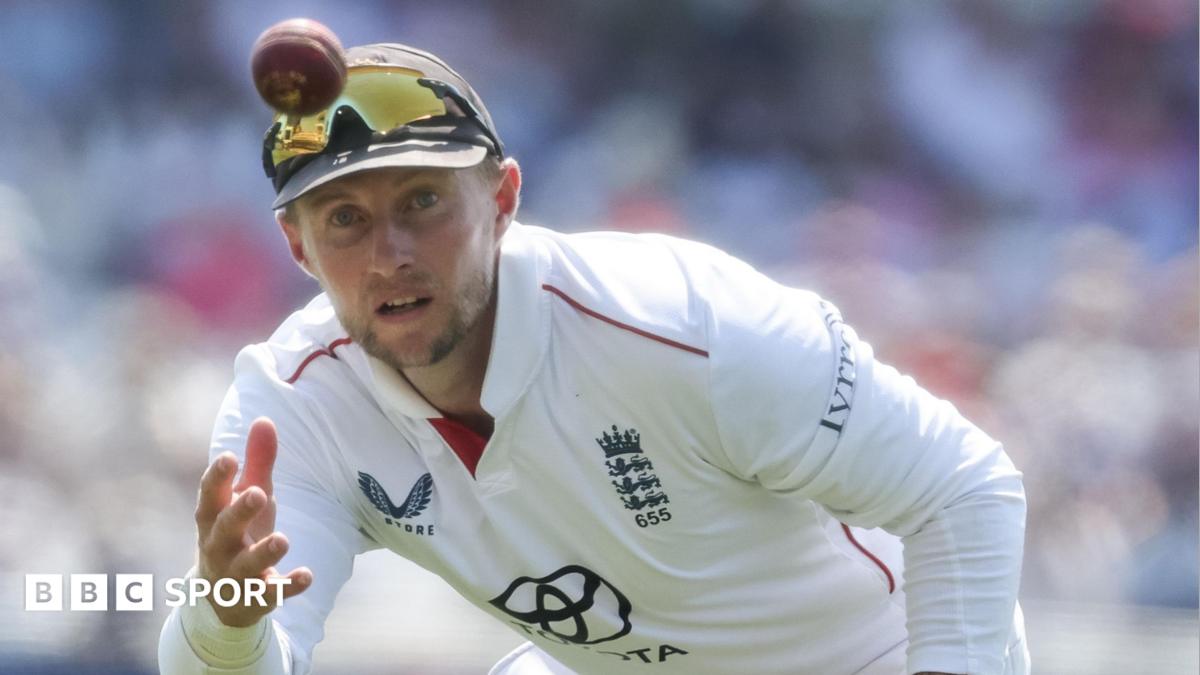
New Test Captain Joe Root Lifts Curfew Imposed on England Cricket Teams
In a significant shift in policy, newly appointed Test captain Joe Root has decided to abolish the midnight curfew that had been in place for the England cricket teams, barely seven months after its introduction. This move marks the latest adjustment in the evolving rules governing player behavior, which have faced scrutiny throughout the year.
The curfew was established in January in response to a series of late-night incidents during the tours of New Zealand and Australia. It was a measure aimed at instilling discipline among players, following a particularly turbulent period.
The tipping point came after the first Test match of the home summer, where England triumphed over New Zealand. Following the victory, former Test captain Ben Stokes violated the curfew while out in a London nightclub—a decision that ultimately contributed to his retirement from international cricket.
In the curfew’s aftermath, Rob Key, the director of cricket, even contemplated a total ban on alcohol for the players. Acknowledging the confusion around the curfew’s enforcement, then-Test coach Brendon McCullum admitted there was “ambiguity” in communication, prompting new guidelines on curfews and alcohol consumption to be issued last month.
Before embarking on his first Test back at the helm against Pakistan next week in Headingley, Root has chosen to relax these restrictions, stating, “Let’s be adults.”
The lifting of the curfew extends to the white-ball teams, despite the leadership remaining unchanged for the One-Day and T20 sides. Under the guidance of coach McCullum and captain Harry Brook, the limited-overs players will no longer be bound by the midnight rule.
In an interview with Sky Sports, Root remarked, “There’s not going to be a curfew. I don’t think this needs to be a big deal, to be honest.”
The curfew, originally instituted during Root’s initial tenure as Test captain from 2017 to 2022, was reintroduced after a series of drinking incidents during the 2017-18 Ashes tour. It was lifted when Stokes took over as captain but reinstated earlier this year.
Now, as Root embarks on his second term, the curfew has once again been discarded. McCullum has been succeeded as Test coach by fellow New Zealander Stephen Fleming, although he will not take charge for the upcoming three-match series against Pakistan, with Marcus Trescothick stepping in as interim coach.
“My stance on curfews is clear—I don’t think they work,” Root explained. “If we want the players to take responsibility on the field, they need to feel empowered to make sensible decisions off it as well. It’s a matter of self-management within the team.”
The midnight curfew had first been applied to the white-ball side ahead of their tour of Sri Lanka and the T20 World Cup. Following incidents in New Zealand, including an altercation involving Brook and an embarrassing moment for opener Ben Duckett during a mid-Ashes holiday, the rule seemed necessary to maintain order.
The confusion surrounding its terms continued during the home summer, highlighted by an incident where Stokes and pace bowler Gus Atkinson were out after hours following a victory against New Zealand, leading to a significant altercation involving a member of the England security staff.
While both players were later cleared of wrongdoing, Stokes announced midway through the subsequent Test match at Trent Bridge that it would be his final appearance for England.
Root emphasized the importance of maturity among the players. “You’re grown adults; you know what it takes to represent England, and you understand your responsibilities off the field. We must avoid creating situations that require management.”
The newly reshaped guidelines will help foster a culture focused on cricket excellence rather than off-field distractions. A statement from the England and Wales Cricket Board (ECB) asserted that the focus is shifting towards cultivating a positive team culture while clarifying expectations as the players prepare for the forthcoming Test series.
However, it’s worth noting that these changes represent a partial reversal on anti-behavior guidelines issued last month, which still advise against alcohol consumption immediately before, during, or after matches. Players are discouraged from drinking publicly and advised to exercise caution regarding private drinking to ensure adequate preparation and professionalism.
This policy framework applies solely to the senior men’s teams, while other England sides—such as the women’s team, Lions, and various age groups—operate under their own specific regulations. Notably, the England women’s team does not have formal rules regarding alcohol use.
In recent remarks, Stokes clarified the perception of alcohol within the team, stating, “Cricket has a drinking culture, and that has not changed,” yet denying any significant issues within the squad itself.
